
TL;DR
- Cacheflow built a no-code CPQ and billing platform for SaaS companies, with an interactive buyer checkout experience reviewers consistently praise for speed and ease of use.
- HubSpot completed its acquisition of Cacheflow in October 2024, and the two are being folded into HubSpot's Commerce Hub, a status worth confirming directly before you shortlist Cacheflow today.
- Cacheflow connects to Salesforce, HubSpot, NetSuite, Stripe, and a range of finance tools, with reviewers rating the Salesforce sync especially highly.
- Cacheflow prices every deal through a custom quote, so budgeting requires a sales conversation before you see a number.
- Everstage CPQ uses Eva, Everstage's AI assistant, to draft quotes from CRM, email, and call context while giving RevOps teams direct control over pricing rules and approval workflows.
Book a demo with Everstage Today
A RevOps leader evaluating CPQ software today has a different question to answer with Cacheflow than with most platforms: is the product you are comparing still following the same roadmap it started with?
Cacheflow built its name around a simple idea: make the final steps of a SaaS deal easier. Its no-code CPQ and billing platform lets buyers review pricing, sign agreements, and complete payments through an interactive checkout experience.
That buyer experience remains Cacheflow’s strongest differentiator. Reviewers frequently highlight the simplicity of the interface, quick adoption, and support experience during implementation.
The evaluation has changed since HubSpot acquired Cacheflow in October 2024. As Cacheflow technology becomes part of HubSpot’s Commerce Hub ecosystem, teams comparing CPQ platforms need to consider both its current capabilities and how the product roadmap may evolve.
This review article covers Cacheflow’s features, integrations, pricing approach, acquisition impact, alternatives, and how platforms like Everstage CPQ fit for teams that need deeper configuration control.
How We Sourced This Review
This review draws on Cacheflow's product listings, HubSpot's public acquisition announcements, and G2, Capterra, and Software Advice reviews from teams that implemented Cacheflow.
We focused on feature depth, integration quality, ease of use, and how the acquisition affects a buyer's evaluation today.
What is Cacheflow?
Cacheflow is a no-code CPQ and billing platform built for SaaS companies that want to simplify the path from quote creation to payment.
Unlike traditional quote workflows that rely on static documents, Cacheflow creates an interactive buying experience. Customers can review pricing options, approve terms, sign agreements, and complete payments through a single checkout flow.
The platform is designed around reducing manual steps between sales and finance teams. Sales teams can create quotes using configured products, pricing rules, and contract terms, while buyers get a self-service experience for reviewing and completing transactions.
Cacheflow supports common SaaS deal workflows, including:
- Multi-year contracts
- Subscription pricing
- Usage-based pricing
- Renewals and expansions
- Billing changes and proration

Caption: Cacheflow’s review on G2 highlighting about its ability to simplify process
One of Cacheflow’s strongest areas is its buyer-facing checkout experience. Reviewers frequently highlight the simplicity of the interface, quick adoption for sales teams, and responsive customer support during implementation.
What Happened After The HubSpot Acquisition?
The acquisition creates potential advantages for HubSpot-native teams. Cacheflow’s technology can become more closely connected with HubSpot’s CRM, payments, and commerce workflows, reducing the need to manage separate systems.
Reporting around Cacheflow’s standalone availability has been mixed, with some sources describing the product as transitioning into HubSpot while marketplace reviews continued showing activity.
Before committing to Cacheflow, teams should clarify:
- Whether Cacheflow is available as a standalone product for new customers
- How future product updates will be managed within Commerce Hub
- What happens to existing contracts, renewals, and pricing structures
- Whether the roadmap aligns with their long-term CPQ requirements
For teams already invested in HubSpot, the acquisition may create a more connected quoting and billing experience over time. For teams evaluating CPQ based on configuration depth, approval control, and ownership of pricing workflows, comparing standalone CPQ platforms remains important.
Cacheflow Features: A Closer Look
Cacheflow focuses on helping SaaS companies manage quoting, buyer approvals, and billing workflows through a single buying experience. Its strongest capabilities center around interactive checkout, no-code configuration, and connecting sales workflows with payment processes.
1. Interactive Checkout And Quote Experience
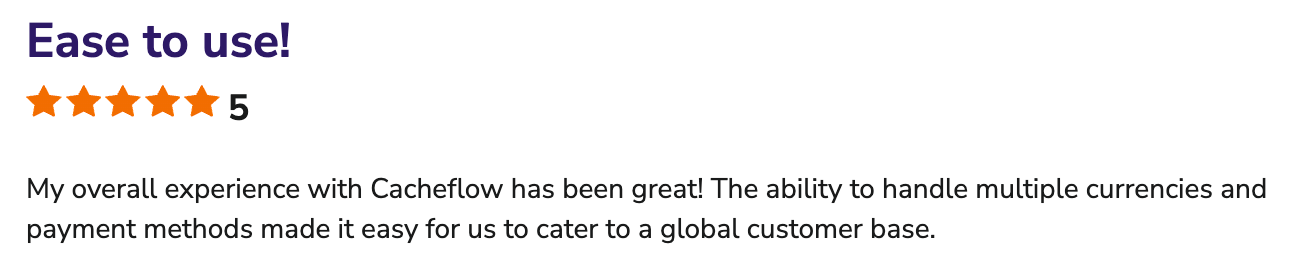
Review on Software Advice about interactive checkout
Cacheflow’s signature feature is its buyer-facing checkout experience. Instead of sending a static quote document, teams can share an interactive link where customers review pricing, select terms, sign agreements, and complete payments.
This approach helps reduce manual handoffs between sales, legal, and finance teams. Reviewers frequently highlight the simplicity of the buying experience, especially for renewals and expansion deals where existing customers need updated pricing or contract changes.
Key capabilities include:
- Interactive quote pages
- Customer self-service checkout
- Built-in e-signature workflows
- Payment collection after approval
- Renewal and expansion workflows
The experience works particularly well for SaaS companies that want to shorten the steps between an approved quote and completed payment.
2. Configuration And Pricing Flexibility
Cacheflow provides no-code tools that allow sales operations teams to manage pricing structures and quote templates without depending on developers for every change.
The platform supports common SaaS pricing models, including:
- Multi-year contracts
- Subscription pricing
- Usage-based pricing
- Proration for billing changes
- Expansion and renewal workflows
This allows teams to adjust pricing logic and deal structures as their sales processes evolve.
Some reviewers have raised questions around specific contract flexibility scenarios and reporting depth. These considerations are worth evaluating based on the complexity of your pricing model and approval requirements.
3. Billing And Payment Workflows
Cacheflow connects quoting workflows with billing processes, helping teams move from approved pricing terms to payment collection.
The platform supports workflows around:
- Subscription changes
- Payment processing
- Billing updates
- Contract modifications
For SaaS companies managing recurring revenue, connecting these steps helps reduce manual work between sales and finance teams.
Cacheflow Integrations
Cacheflow connects with CRM, payment, accounting, and workflow tools to help revenue teams keep quoting and billing data connected across their stack.
1. CRM Integrations
Cacheflow provides CRM connectivity with platforms such as Salesforce and HubSpot. These integrations help teams sync customer, deal, and account information between their sales systems and quoting workflows.
Reviewers frequently highlight the Salesforce integration for keeping reporting workflows intact and reducing duplicate data entry between systems.
2. Finance And Payment Integrations
Cacheflow connects with finance tools to support payment collection and accounting workflows.
Key integrations include:
- Stripe for payment processing
- NetSuite for accounting workflows
- Xero for finance operations
- DocuSign for external e-signature workflows
These connections help sales and finance teams manage the movement from approved quotes to completed transactions.
3. Workflow Integrations
For teams that need additional automation, Cacheflow connects with Zapier to extend workflows into tools such as:
- Slack
- Google Sheets
- Gmail
- Webflow
This allows teams to trigger actions based on quote, payment, or customer events across their broader business systems.
Note: For HubSpot-native teams, the integration conversation is changing as Cacheflow technology becomes part of Commerce Hub. Teams evaluating Cacheflow should consider whether waiting for deeper native HubSpot capabilities aligns with their timeline or whether they need a standalone CPQ platform today.
Cacheflow Pricing, And How The Acquisition Affects Your Evaluation
Cacheflow prices deals through a custom quote, structured loosely around two plans referenced in vendor materials: a sales-focused tier and a combined sales and finance tier, with startup-specific pricing available for early-stage teams.
A sales conversation is the only way to see an actual number.
For teams evaluating Cacheflow today, pricing is only one part of the decision. The HubSpot acquisition adds another factor to consider. It depends on how product packaging, contracts, and pricing may evolve as Cacheflow technology becomes part of Commerce Hub.
Before committing, teams should clarify:
- Current pricing and contract structure
- Whether standalone Cacheflow contracts are available
- How renewals will be handled after further Commerce Hub integration
- Whether future packaging changes could affect existing customers
Best Cacheflow Alternatives
Here is how Cacheflow compares against four other paths teams typically consider.
Of the four, Everstage CPQ is the one built specifically around self-serve configuration for a RevOps lead, with a roadmap that stays independent of another company's product integration timeline.
Why teams are evaluating Everstage CPQ
Cacheflow’s strength is its buyer checkout experience. Teams can move customers from quote review to signature and payment through one connected flow, which makes it a strong option for renewals and expansions.
The evaluation changes when teams look earlier in the deal process, where pricing decisions, approvals, and quote creation happen.
Everstage CPQ focuses on that stage with:
- AI-assisted quote creation: Eva, Everstage's AI assistant, helps revenue teams work faster throughout the sales cycle. Sales reps can draft quotes using CRM, call, and email context, summarize deals, and pull key insights from customer conversations. Managers can understand pipeline activity, while RevOps teams automate quote anomaly detection, product catalog updates, and revenue analysis.
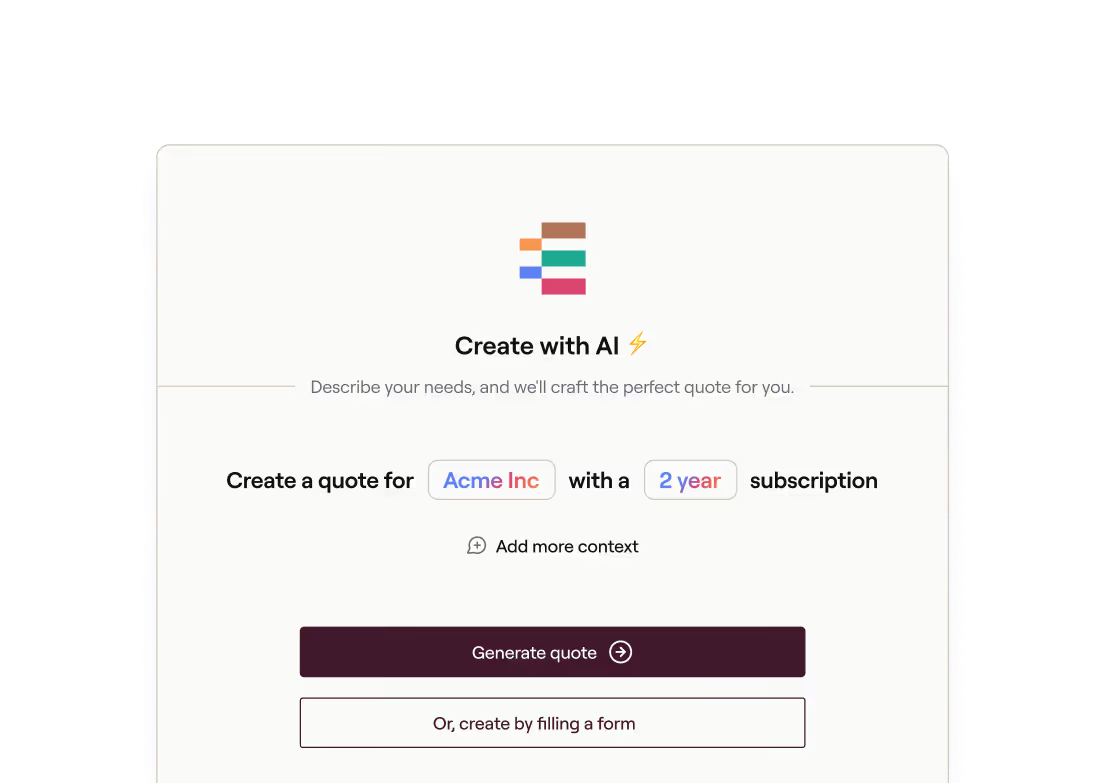
- RevOps-owned configuration: RevOps teams manage pricing rules, approval workflows, discount guardrails, product catalogs, workflow automations, quote templates, and validation rules directly without engineering support.
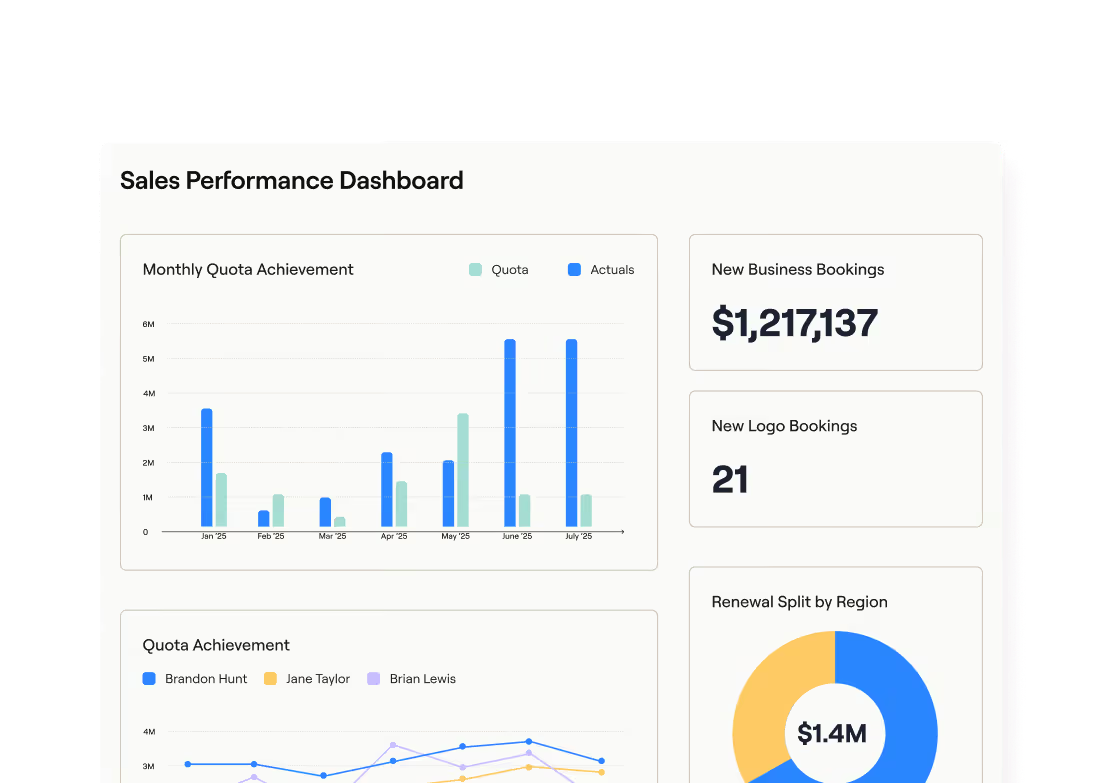
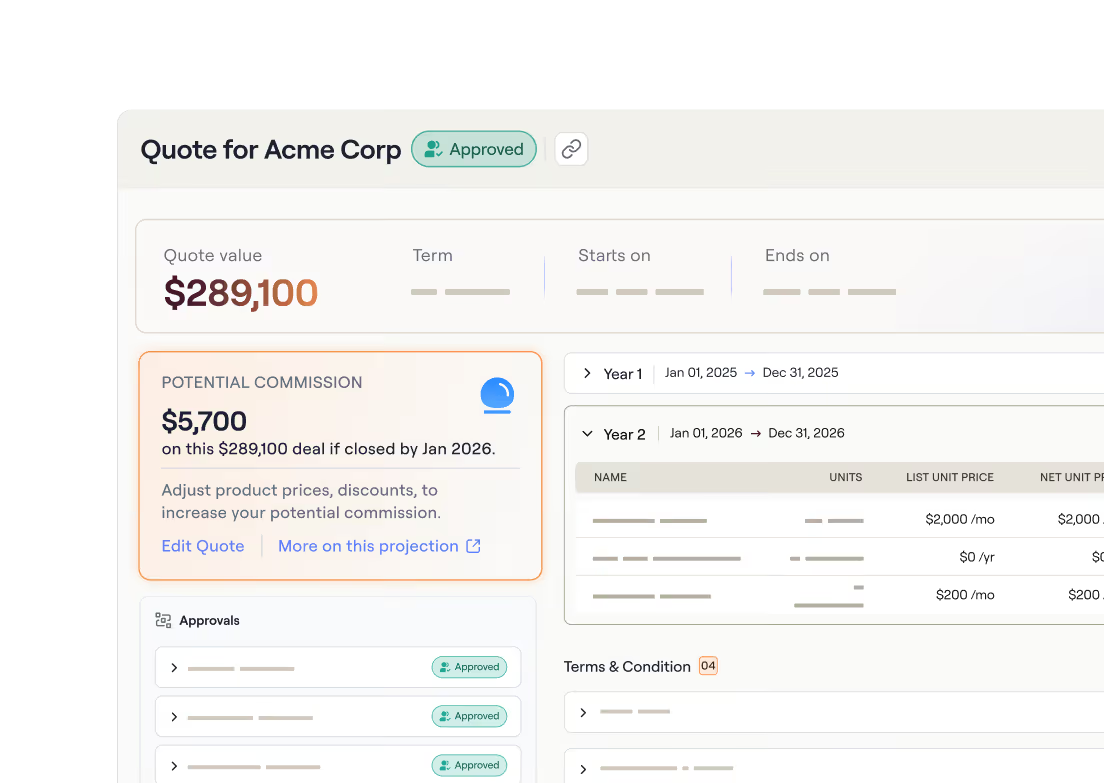
- Support for complex deal structures: Handles multi-year agreements, ramps, tiered pricing, usage-based models, and multi-level approvals.
- Commission visibility during quoting: Shows sellers the commission impact of a deal while they are building the quote.
Cacheflow remains a strong fit for teams prioritizing an interactive buying experience.
Everstage CPQ fits teams that need deeper control over the quote creation process while staying connected with their existing CRM and billing systems.
Where Cacheflow And Everstage CPQ Fit Differently
Cacheflow and Everstage CPQ solve different parts of the quoting process. Cacheflow focuses on creating a smooth buyer checkout experience, while Everstage CPQ focuses on helping RevOps teams manage complex quoting workflows before a deal reaches the buyer.
Compare Cacheflow and Everstage CPQ across quoting workflows, configuration control, and revenue team needs.
Is Cacheflow Worth It?
Cacheflow delivers a genuinely fast checkout experience, and its customer success team earns consistent praise from reviewers for staying responsive through implementation. Reporting depth and the current uncertainty around standalone availability are the parts of the picture that ask for real diligence before you commit budget.
If your team wants a RevOps lead configuring pricing and approvals directly, with AI drafting the first version of every quote, and a vendor whose roadmap runs independently, that's the gap Everstage CPQ is built to close.
Book a demo with Everstage to see how AI-assisted quoting and self-serve configuration work for your deal structures.
Questions worth asking
The things most people want to know before they commit.
Is Cacheflow free?
Cacheflow runs its evaluation process through a sales conversation rather than a self-serve trial or free tier, with startup-specific pricing reported for early-stage teams.
Is Cacheflow still available to buy?
Reporting is mixed. HubSpot completed its acquisition of Cacheflow in October 2024, and while some sources describe the standalone product as discontinued, reviews continued appearing on Capterra well into 2026. Confirm current availability directly with a Cacheflow or HubSpot rep.
Can CPQ software help sales teams understand commission impact?
Some CPQ platforms focus on quote creation and approvals. Everstage CPQ connects quoting with compensation visibility, helping sellers understand the commission impact of a deal while building quotes.
How does CPQ software improve sales compensation accuracy?
CPQ helps control pricing, discounts, and deal structures before approval. When connected with compensation workflows, teams can reduce errors caused by misaligned quotes and commission calculations.
Can RevOps teams manage commission rules inside CPQ software?
Everstage CPQ lets RevOps teams configure pricing rules, approval workflows, and quote templates directly. Commission calculations run through Everstage’s compensation platform, giving sellers visibility during deal creation.
Is Everstage CPQ available today?
Yes. Everstage CPQ is built by the team behind Everstage's incentive-compensation platform, and a demo is the fastest way to see it against your own deal structures.