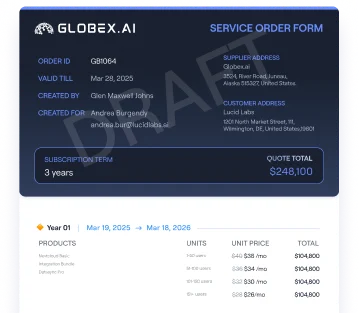
It’s Thursday, 4 p.m. An AE is pinging you about a 30% discount they already promised on the call. You approve it, because losing the deal over process is worse. You flag it for the CRO and make a note for next month’s discount review. Then the next ping arrives.
Nobody hired you to run a deal desk. A deal desk is the team that reviews non-standard pricing, discounts and contract terms before a quote goes out, and most companies never staffed one. So the work is falling to whoever sits closest to the CRM, and that’s usually RevOps.
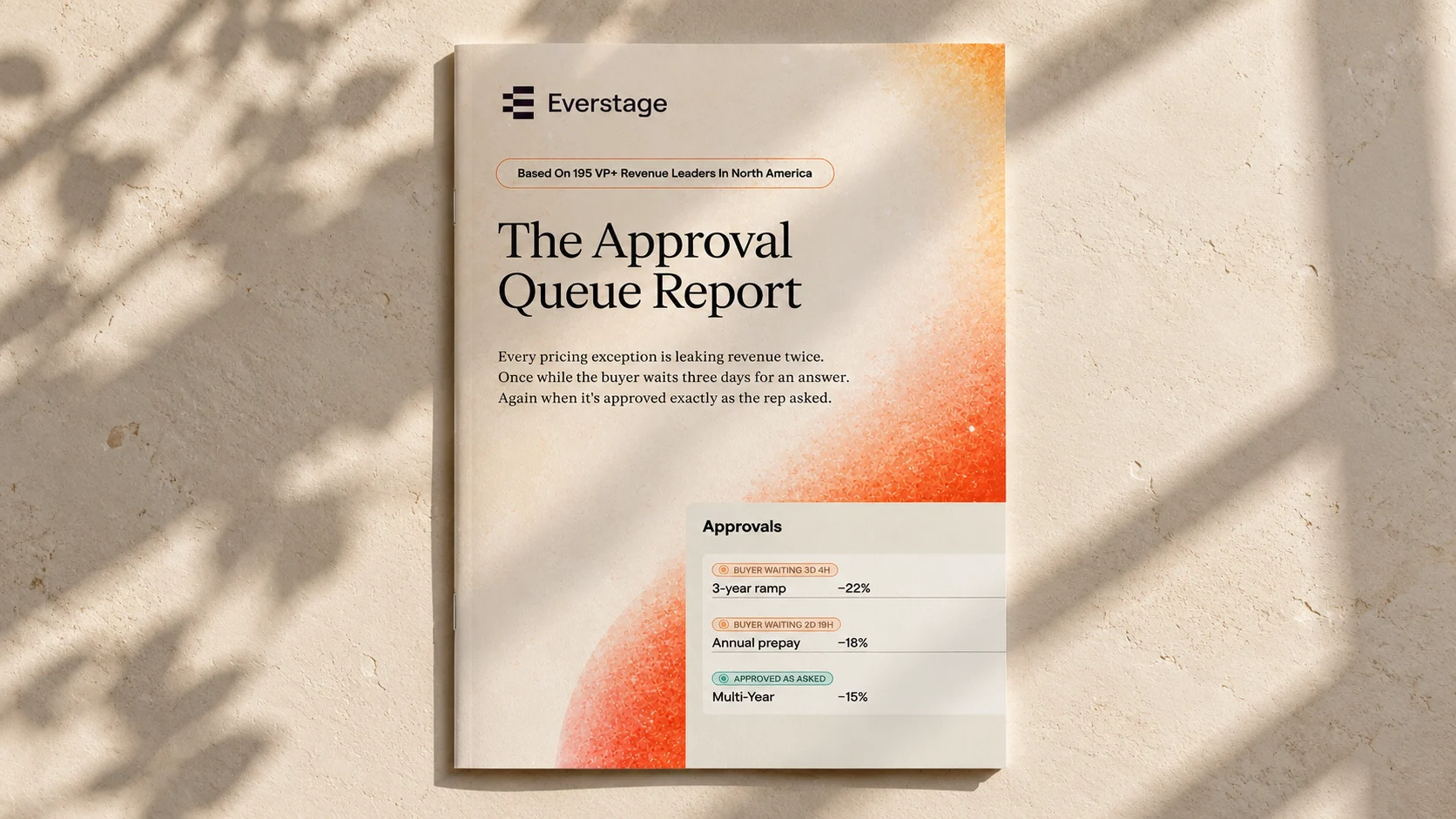
We surveyed 195 VP-level revenue leaders in North America this summer.
That’s most of a business week, spent waiting on an internal chain while the buyer waits on you.
Why RevOps ends up running the deal desk
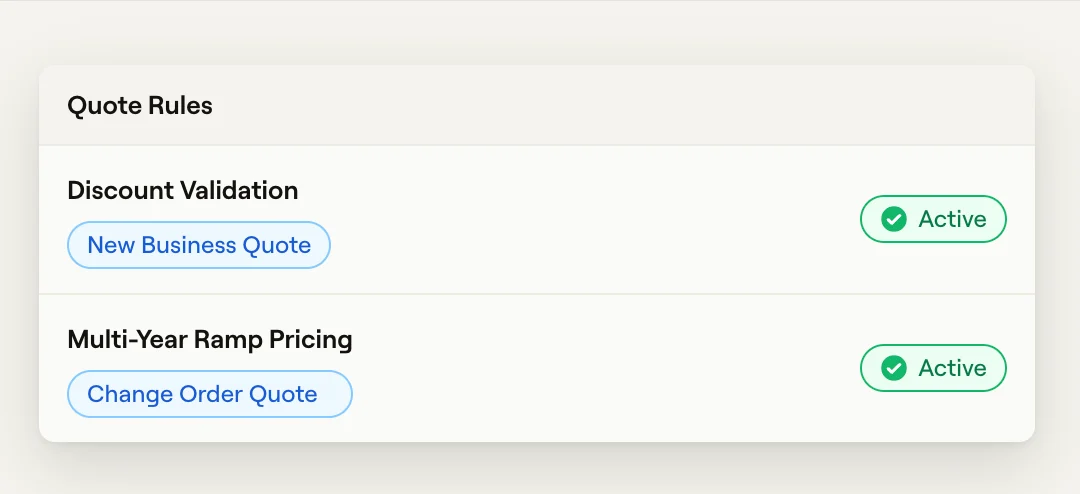
Most CPQ tools are rulebooks: discount caps, price floors, approval chains, margin thresholds. Each rule answers one question, which is whether a quote is allowed. Inside the lines, the quote goes through. Outside them, the tool stops and asks a person.
That design assumes exceptions are rare. In a company selling multi-year ramps, bundles and usage, exceptions are most of the week. Every rule you add creates one more way for a quote to land in your inbox.
The people running the queue think it’s moving faster
Here’s the finding that surprised us. We asked RevOps and sales leaders the same question: how long does a pricing exception take to clear? 51% of sales leaders said three days or more. Among RevOps, it was 42%.
It’s the only measure in the whole study where sales reported more friction than the team running the process. Both are right about what they can see. RevOps sees an approval that cleared. Sales sees a buyer who stopped replying on day two. (More on that gap in why RevOps and sales disagree about approvals.)
The rules are missing the margin too
Time is the cost you feel. Margin is the cost you don’t see.
A discount cap catches the worst case. Say a rep opens at 25% and the cap is 20%. The rule saves 5 points. But similar deals that won closed at 10%, with white-glove support added and a 5% license uplift in year two. Nothing in a rulebook knows that. The rep sends 20%, the quote approves itself, and 15 points leave with everyone’s sign-off.
Guardrails did their job here. They just weren’t built for this job.
More rules are making it worse
When discounts creep up, the instinct is to tighten the rulebook. Lower the cap, add an approval tier. Each change routes more quotes to you and does nothing about the drift inside the new lines.
The systems thinker Donella Meadows ranked the places where you can intervene in a system. Adjusting parameters like thresholds and caps sat near the bottom; she called it “diddling with the details, arranging the deck chairs on the Titanic.” Changing who sees what information, and when, ranked far higher.
For pricing, that means putting the right information in front of the rep at the moment they choose the number.
Guardrails cap the worst deal. Guidance moves the average one, and the average is where your margin lives.
What a better deal desk process looks like
Four things change.
This is how we built Everstage CPQ, and it works on its own.
Back to the job RevOps was hired for
RevOps was never meant to be the approval queue. The original promise of the role was to design the revenue system: territories, comp plans, routing, the pricing rules every deal runs on. Revenue architects, not maintenance crew.
Most RevOps leaders already think of the job that way. We asked what they’d do with time back, and strategic planning came first. The title moved before the calendar did.
A deal desk sitting in your inbox is the clearest case of architecture turned into maintenance. When the system handles the standard deal, you stop being the queue. You design the pricing policy, and the system applies it on every quote. That’s the part of the revenue system CPQ should give back to you.
If you’re the CRO, the same shift shows up in your number: fewer points going out the door at quarter-end, and quotes going out while the buyer still remembers the call.
FAQs
What is a deal desk?
A deal desk is the team or process that reviews non-standard pricing, discounts and contract terms before a quote reaches the buyer. At most mid-market companies it isn't a team at all. It's RevOps, working through an approval queue.
Do you need a dedicated deal desk?
Not if your pricing policy does the work. When clean quotes approve themselves and only real exceptions reach a person, the deal desk shrinks to the deals that need judgment.